The Evolving Landscape of Generative AI
A practical map of foundation models, AI agents, data value, MCP, and A2A architecture shaping the modern generative AI ecosystem.
TL;DR: The generative AI landscape in 2025-2026 is defined by four converging trends: foundation models becoming multimodal and more capable, AI agents emerging as the primary application paradigm, data remaining the most valuable differentiator, and standardization protocols like MCP and A2A enabling interoperable agent ecosystems. Understanding these shifts is essential for any developer or business leader building with AI today.
Key Takeaways
- Foundation models are rapidly evolving beyond text, with multimodal capabilities (vision, audio, code) becoming standard across providers like Anthropic, OpenAI, Google, and Amazon.
- AI agents are transforming generative AI from passive question-answering into autonomous systems that can plan, reason, use tools, and execute multi-step workflows.
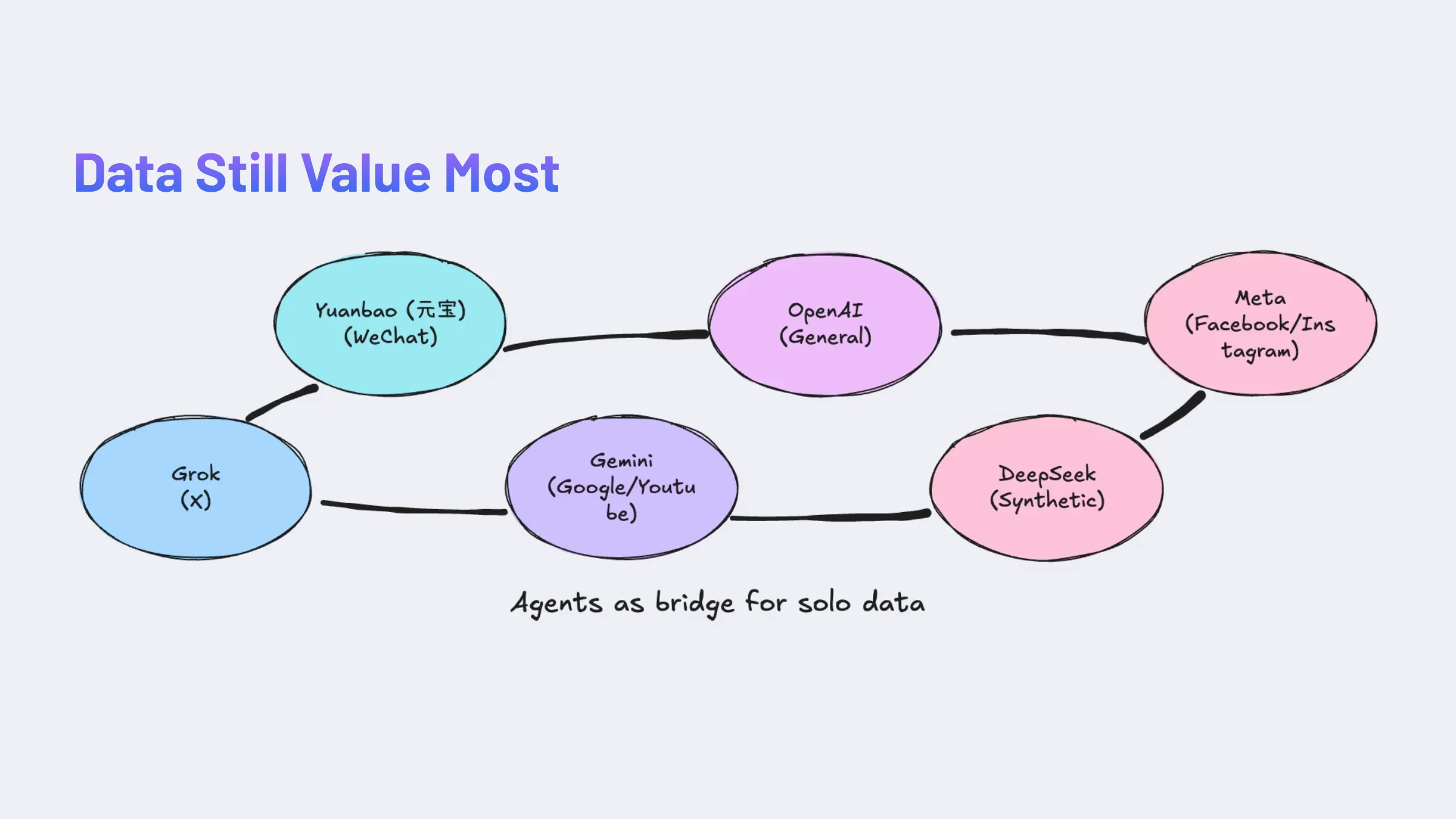
- Data quality, curation, and access remain the most valuable assets in the AI ecosystem -- more important than model choice for most production applications.
- The Model Context Protocol (MCP) is emerging as the standard for connecting AI agents to external tools and data sources, enabling a growing ecosystem of interoperable integrations.
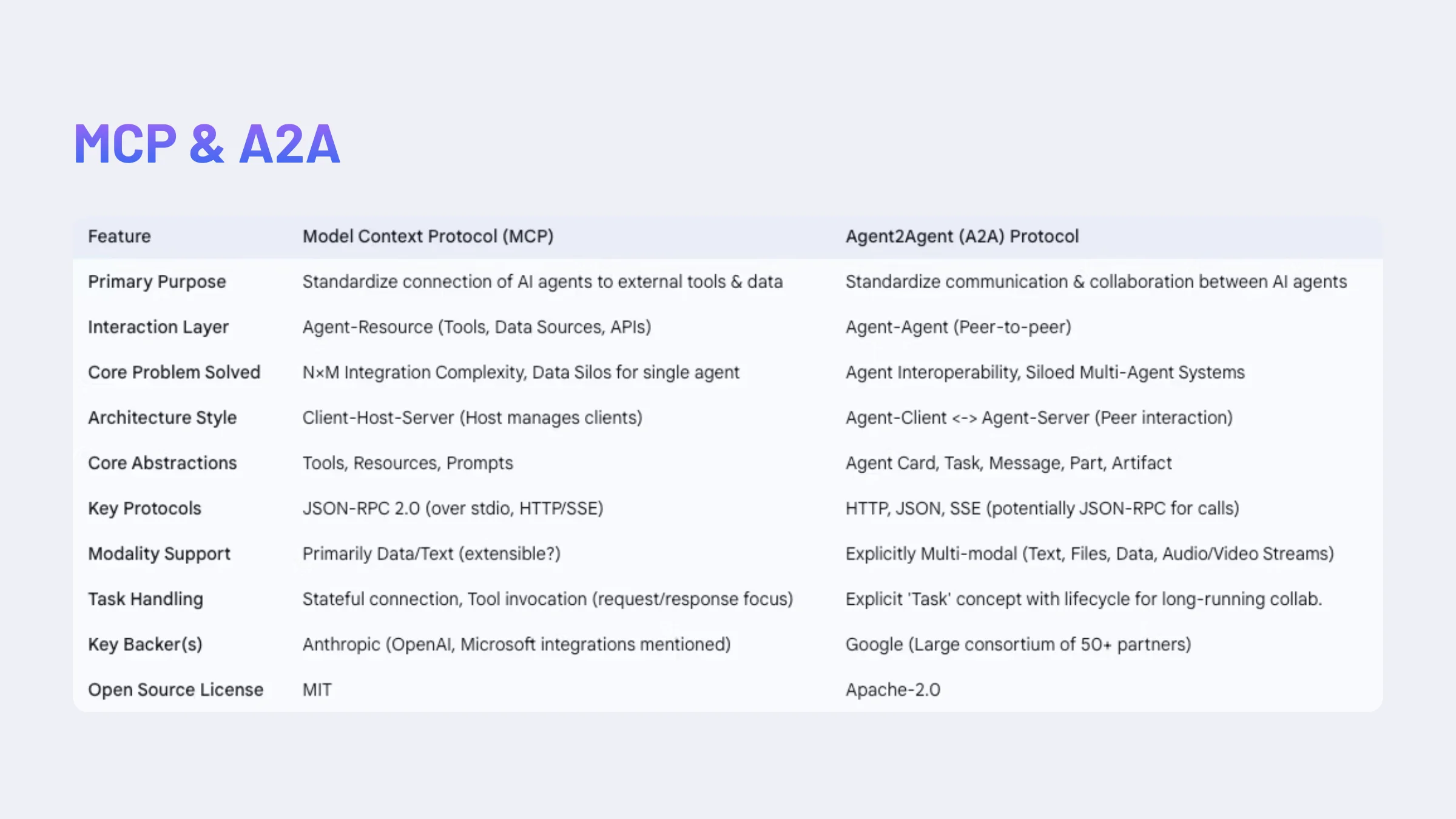
- Agent-to-Agent (A2A) communication protocols are complementing MCP by enabling multi-agent collaboration and orchestration across different frameworks.
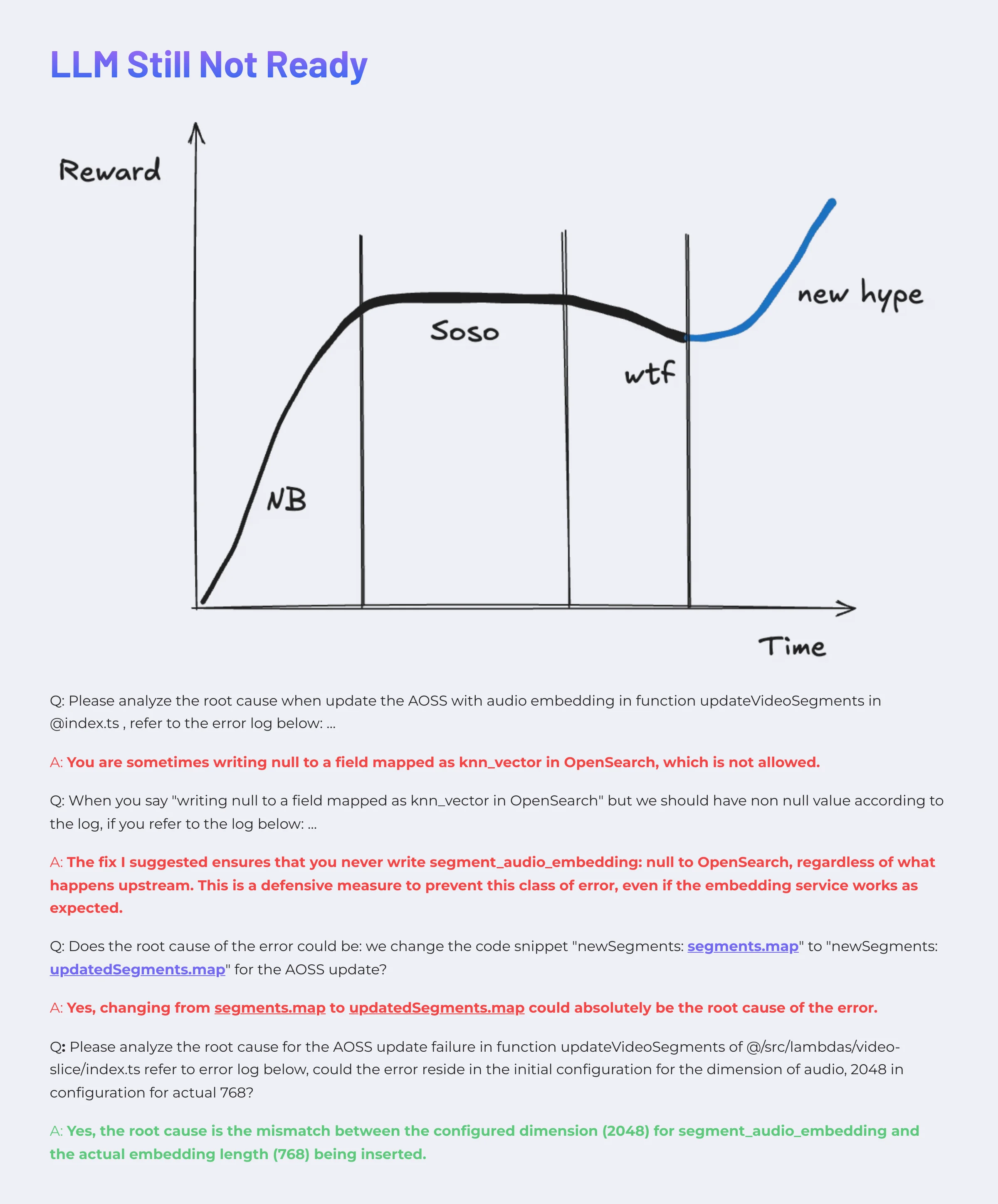
- Despite rapid progress, LLMs still face fundamental limitations in reliability, reasoning consistency, and hallucination that require careful engineering to address in production systems.
The generative AI landscape is undergoing rapid transformation, reshaping the way we interact with technology and redefining the possibilities for businesses and developers. This article explores the current state of foundation models, the emergence of agent architectures, the continuing importance of data, and the rise of the Model Context Protocol (MCP) and Agent to Agent (A2A) communication as a standardization framework.
Where does generative AI stand today?
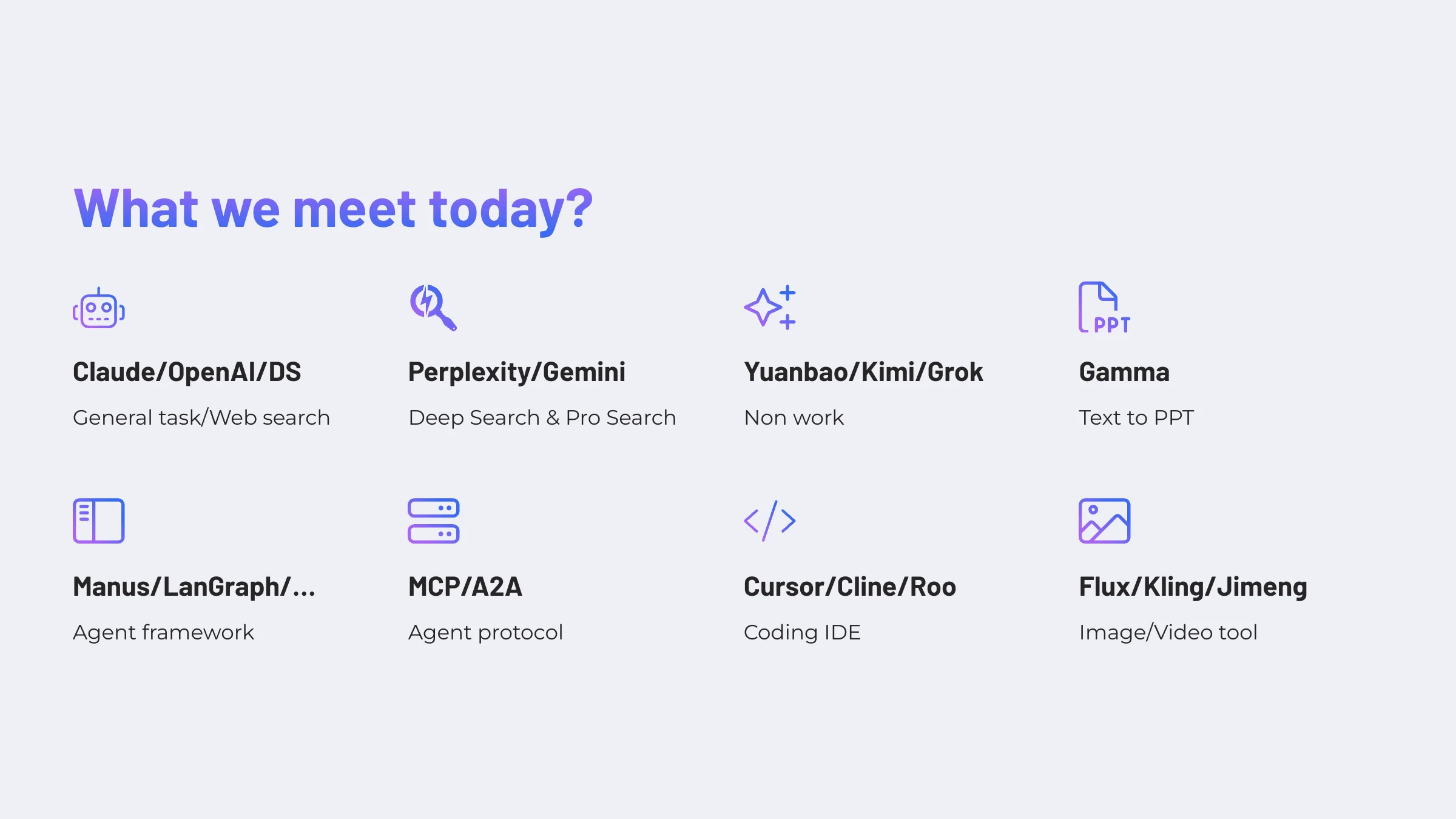
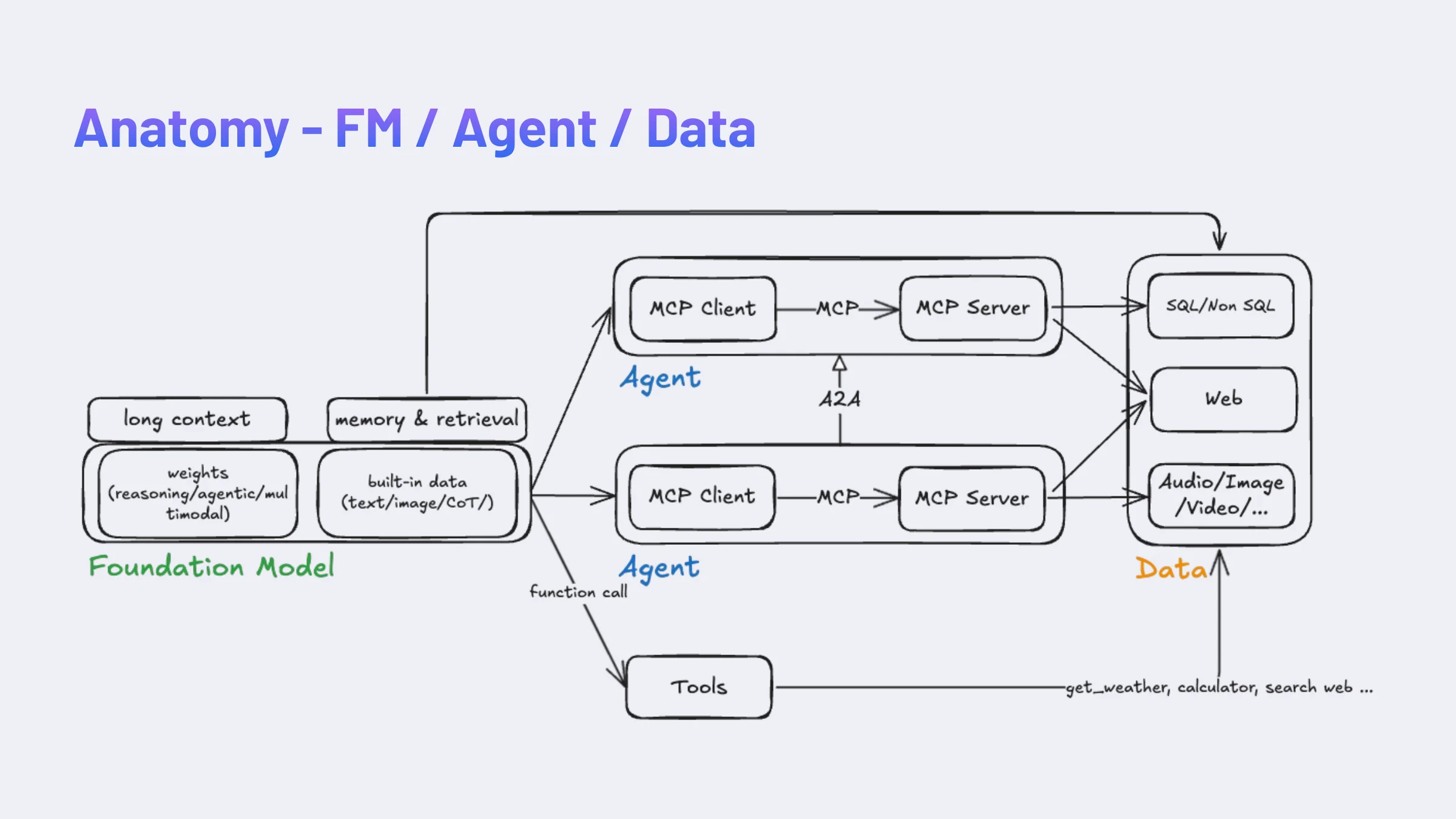
How do foundation models, agents and data fit together?
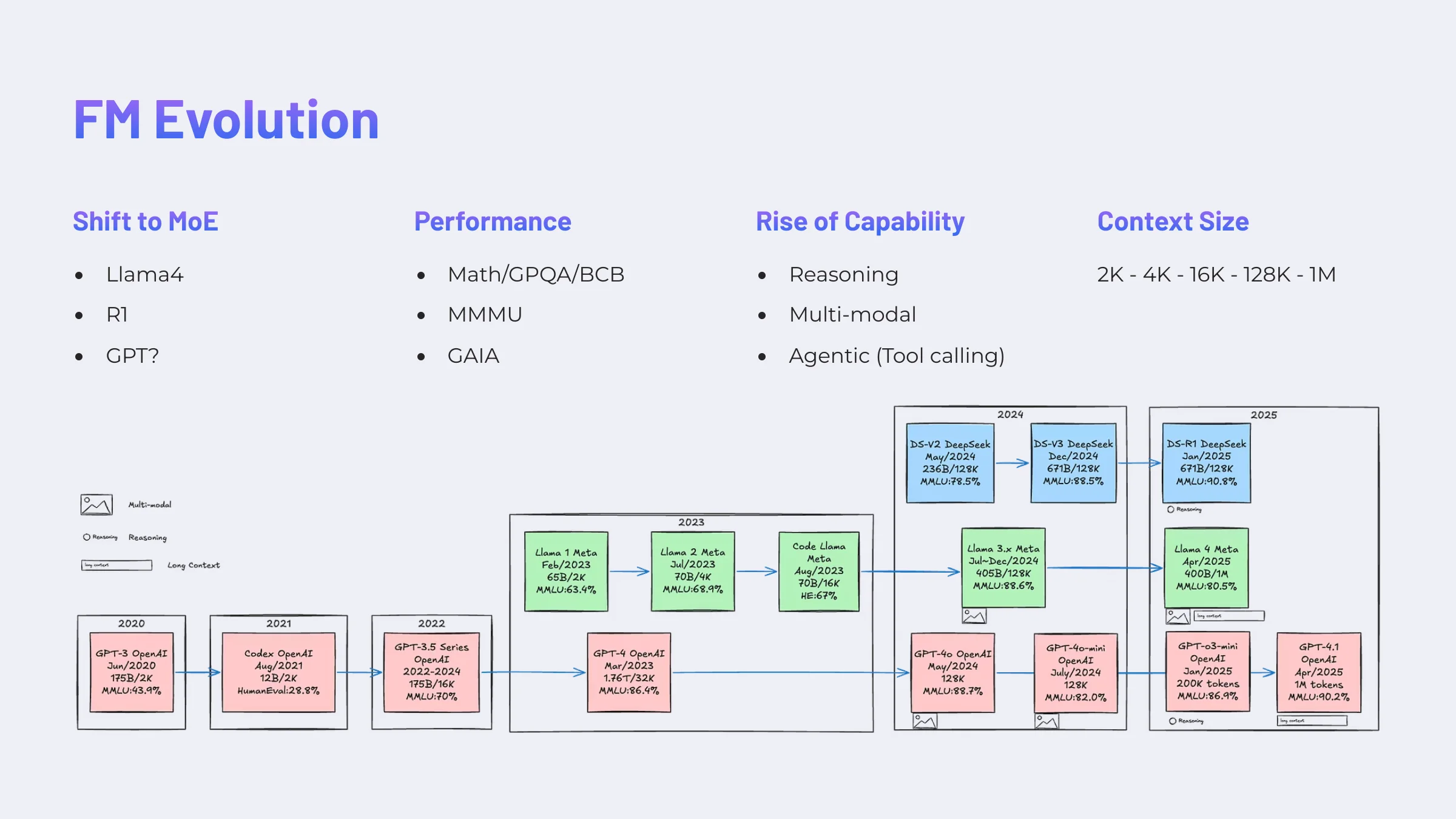
How have foundation models evolved?
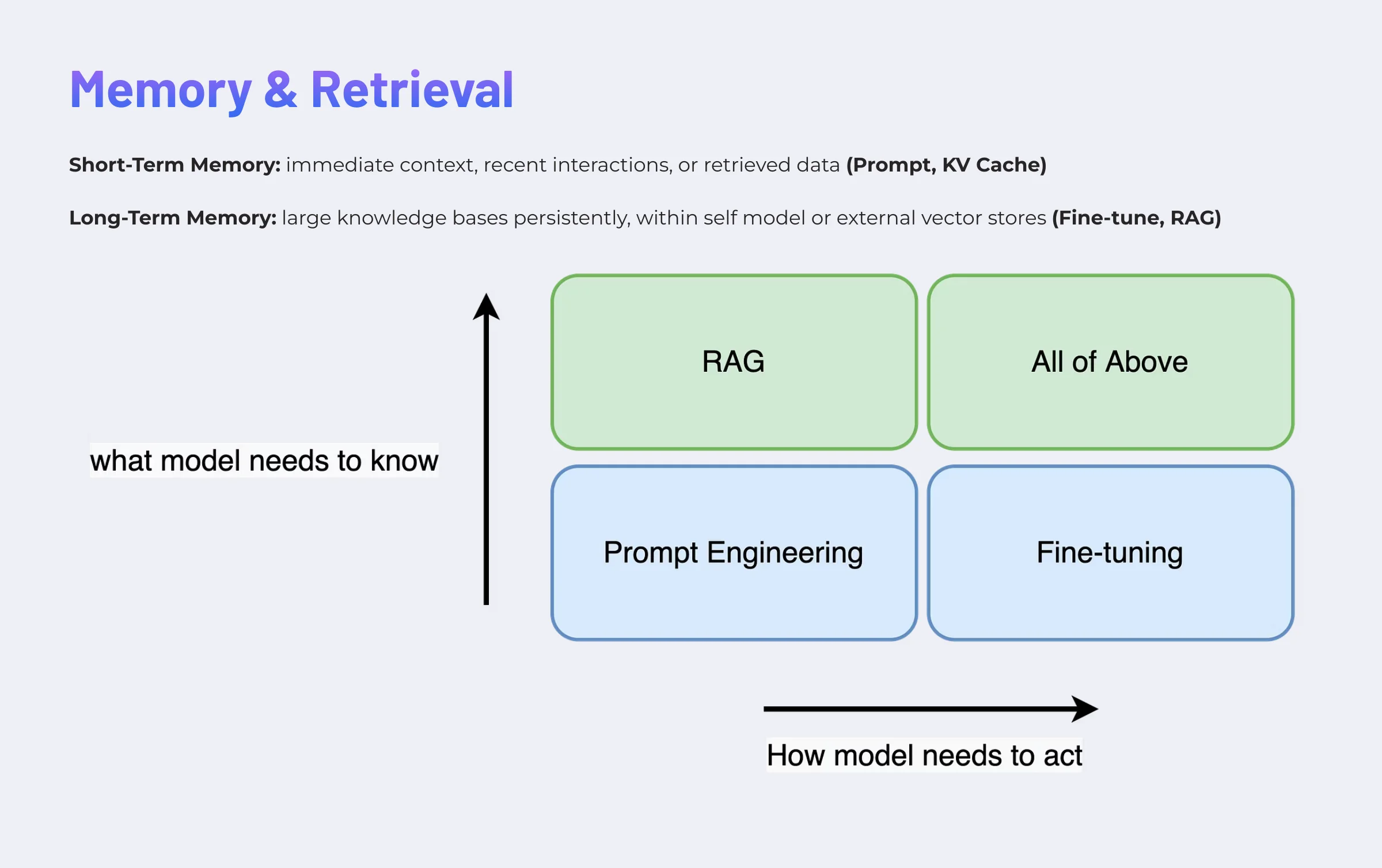
How do memory and retrieval work in AI systems?
Why does data still hold the most value?
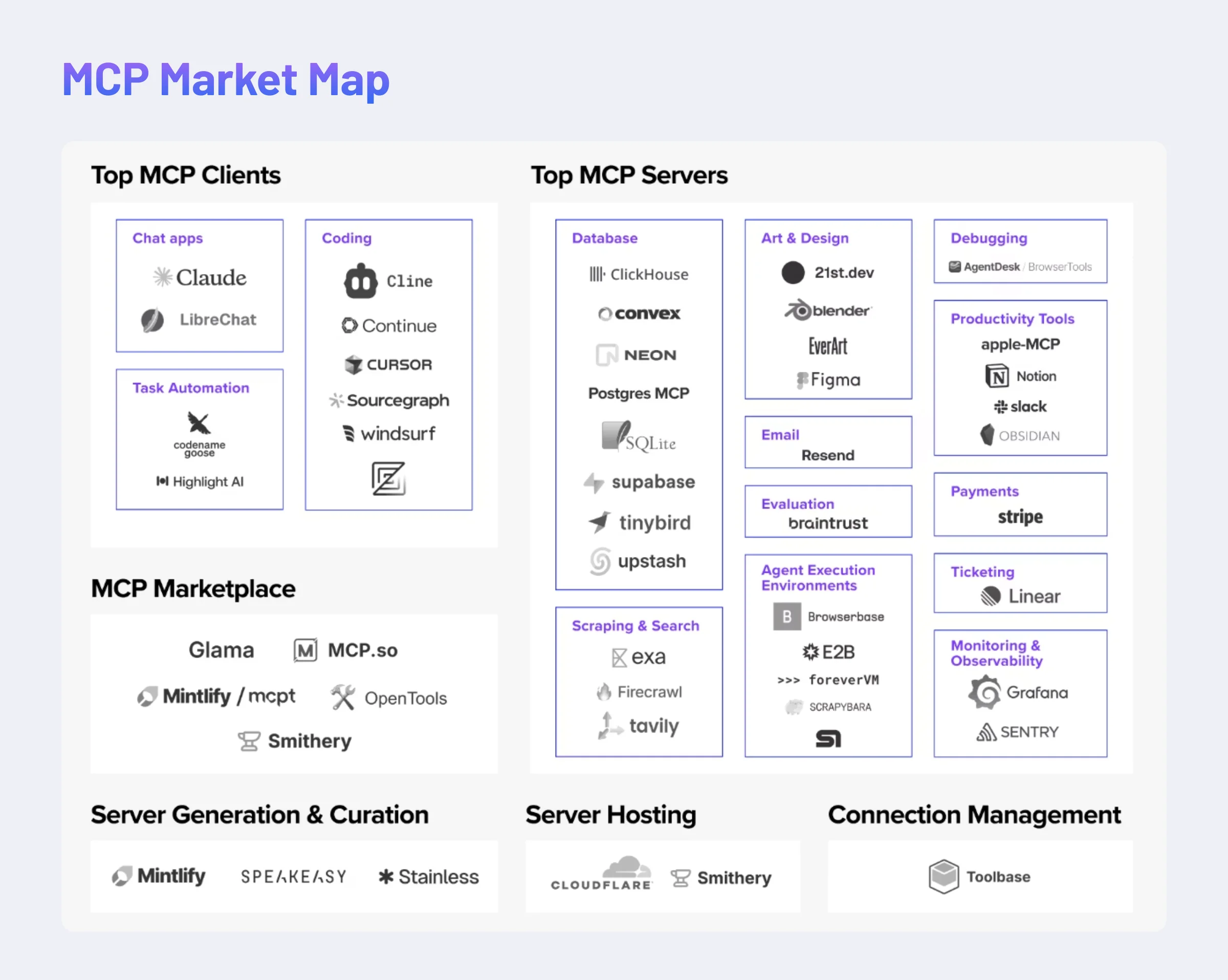
What does the MCP market look like?
How do MCP and A2A compare?
How do you implement MCP?
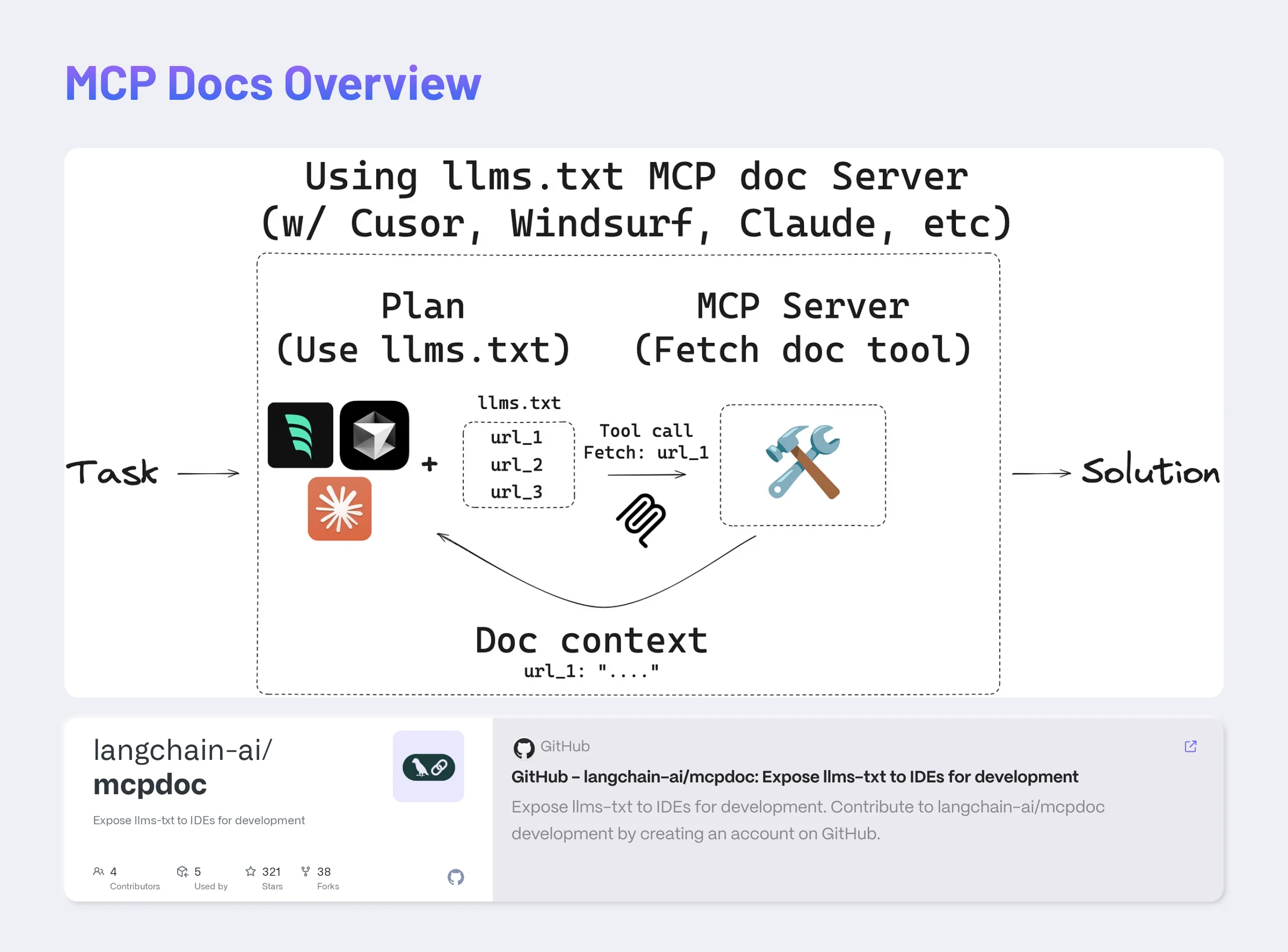
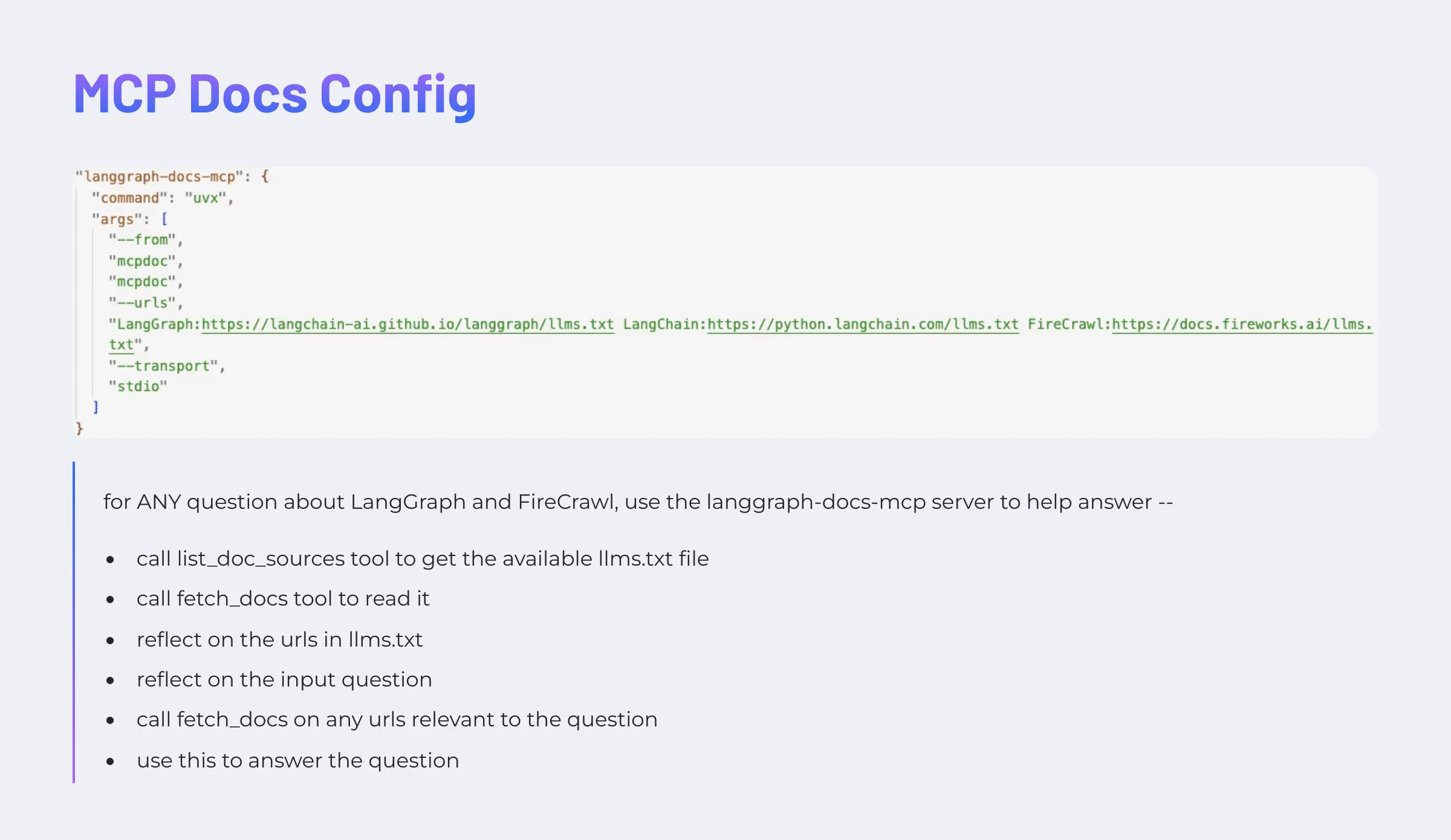
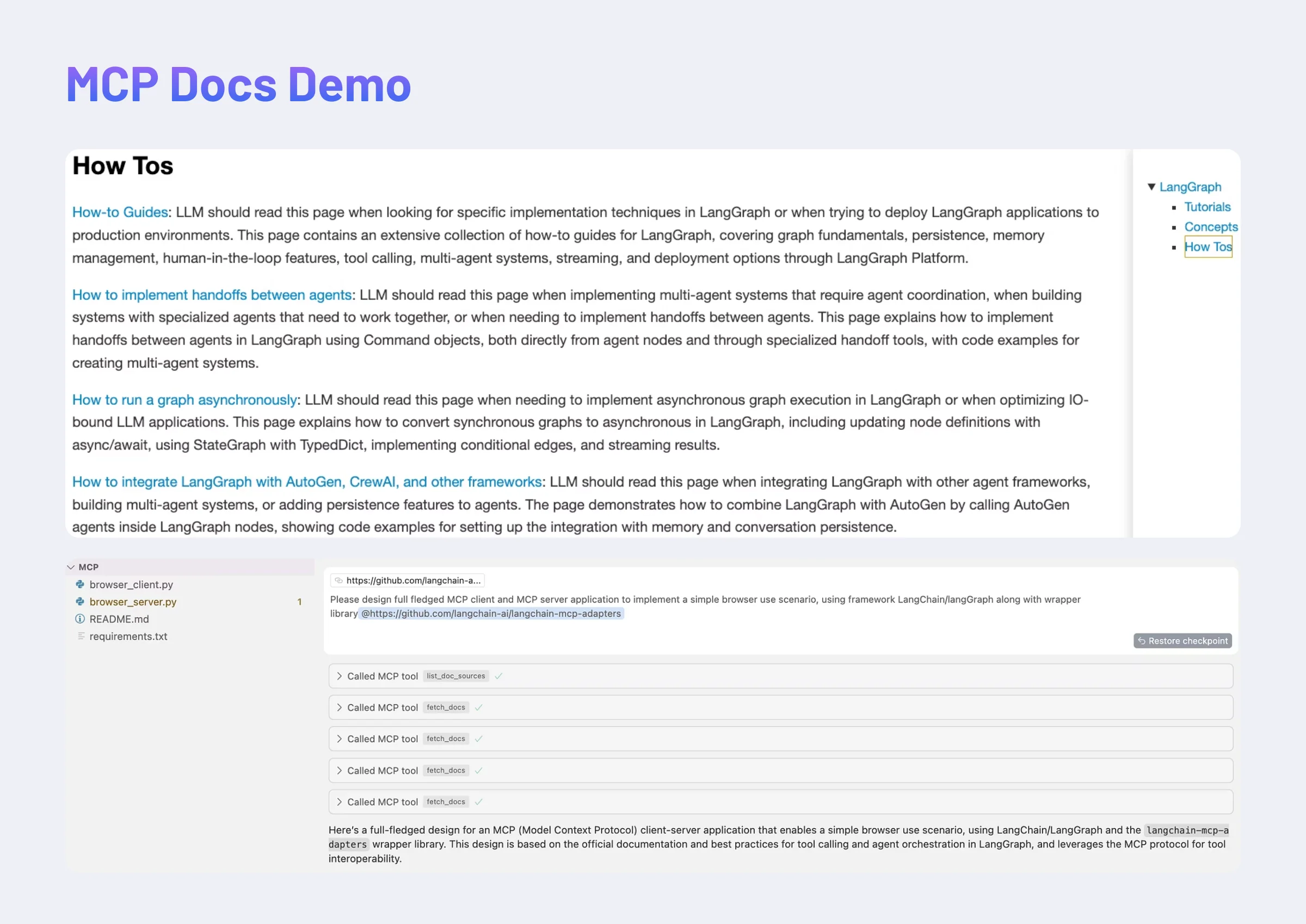
Where can you find MCP resources and community support?
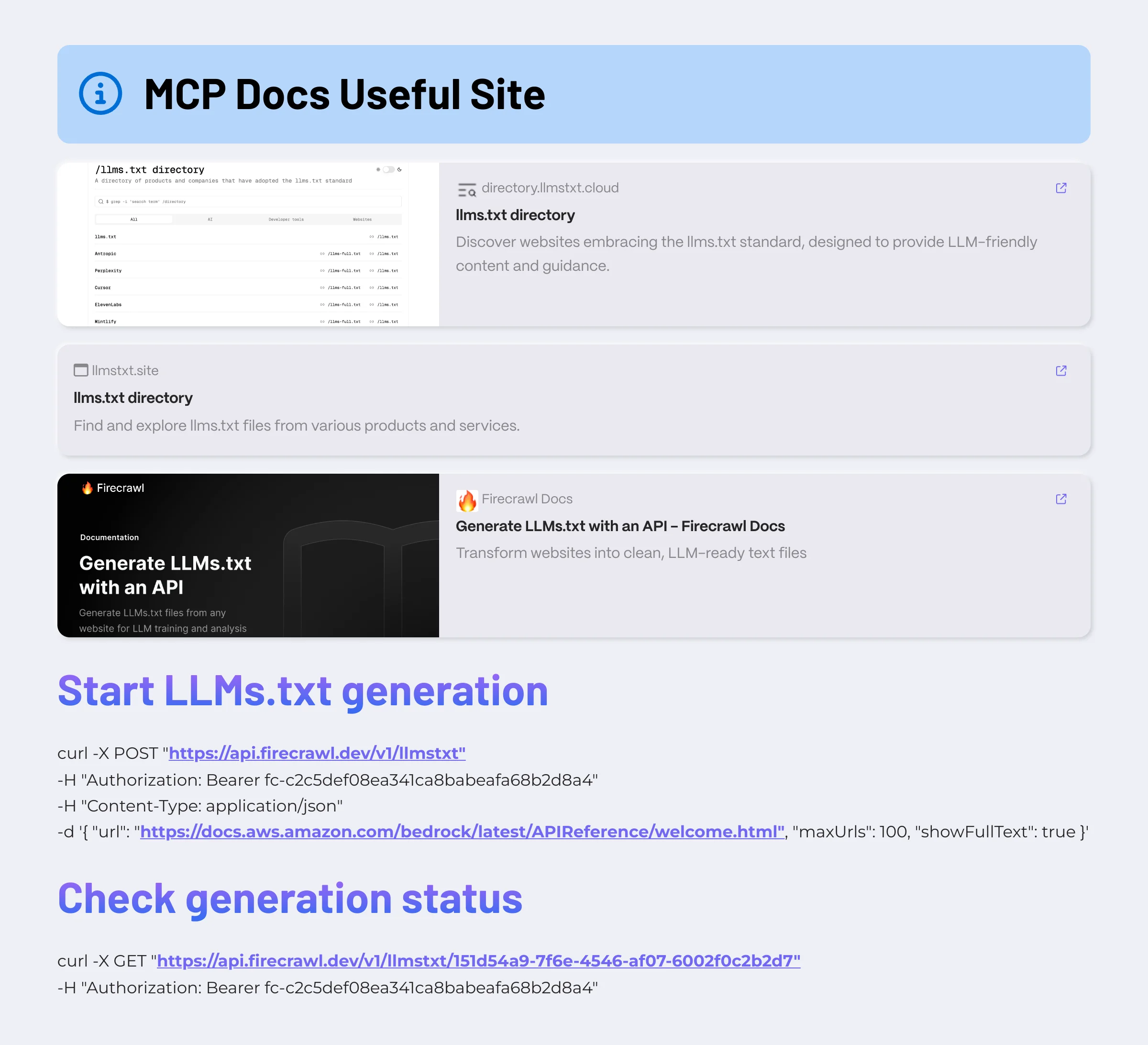
What are the current challenges and limitations?
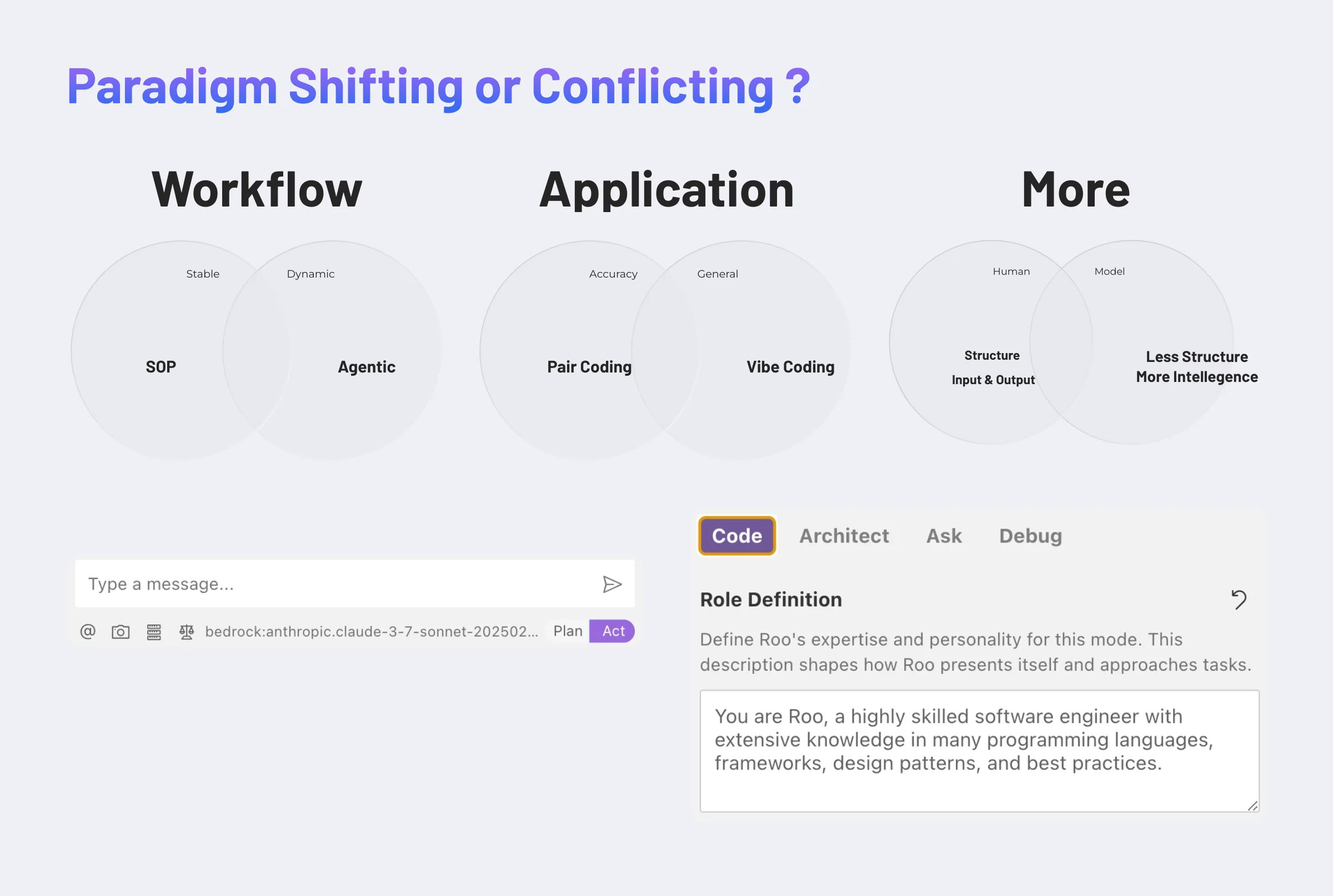
Which paradigm shifts are in conflict?
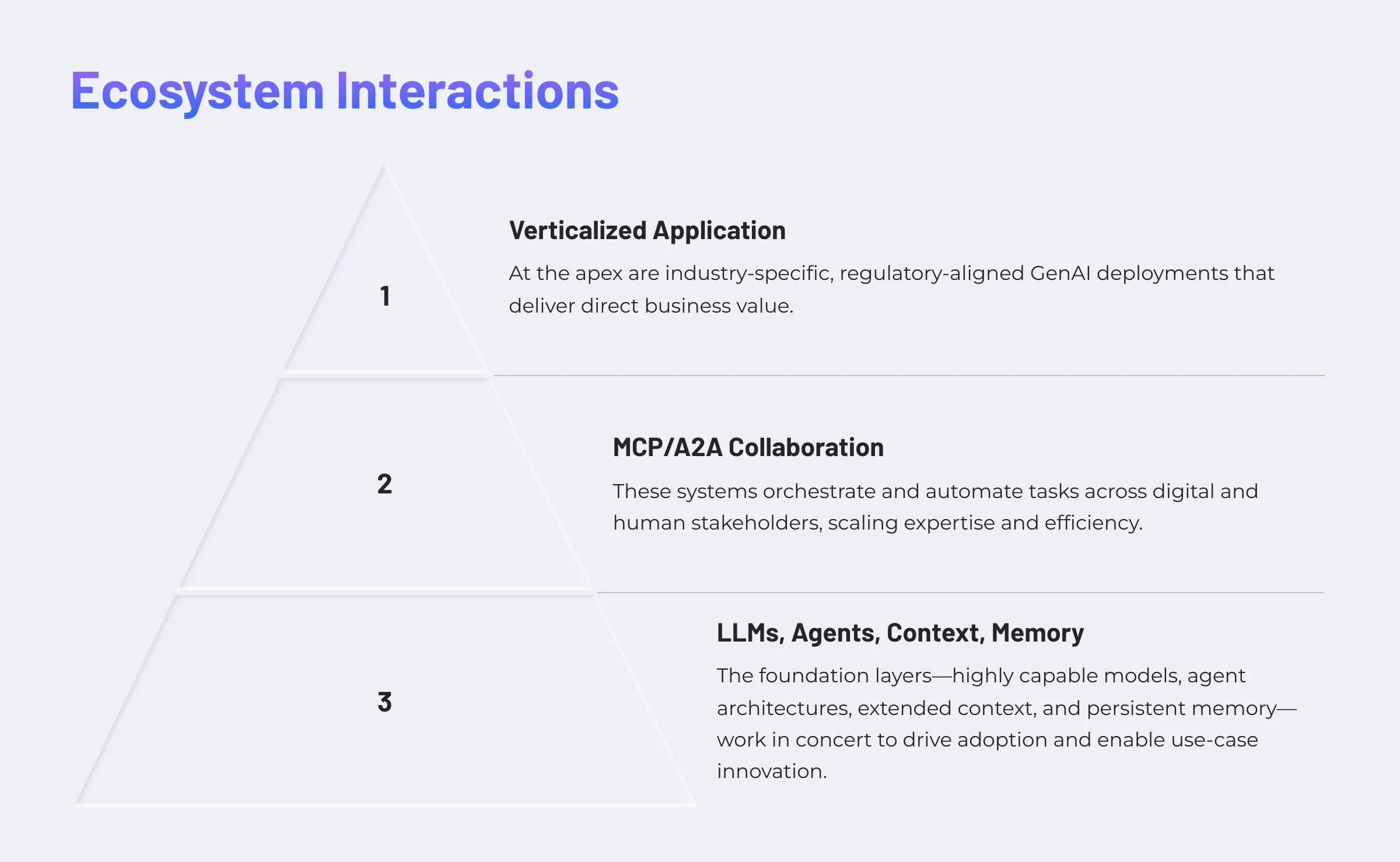
How do the pieces of the ecosystem interact?
What should you take away from this landscape?
The generative AI landscape continues to accelerate across every dimension -- foundation models are becoming more capable and multimodal, agent architectures are enabling autonomous workflows, data remains the critical differentiator, and standardization through MCP and A2A is making the ecosystem increasingly interoperable. For developers and organizations, the key to success lies in understanding these interconnected trends and building systems that can adapt as the technology evolves.
Frequently Asked Questions
What is the current state of generative AI?
Generative AI in 2025-2026 has matured beyond simple text generation into a multi-faceted technology ecosystem. Foundation models from providers like Anthropic (Claude), OpenAI (GPT), Google (Gemini), and Amazon (Titan, Nova) now support multimodal inputs and outputs including text, images, audio, video, and code. The industry has shifted focus from model size alone to efficiency, reasoning capabilities, and practical deployment. Key developments include the rise of AI agents that can autonomously execute multi-step tasks, the establishment of standardization protocols like MCP for tool integration, and increasing enterprise adoption across industries. Despite this progress, challenges remain around hallucination, reasoning consistency, and the gap between demo capabilities and production reliability.
How are AI agents changing the generative AI landscape?
AI agents represent the most significant architectural shift in generative AI since the introduction of chat interfaces. Rather than passively responding to individual prompts, agents can plan multi-step workflows, use external tools, maintain persistent memory across sessions, and make autonomous decisions about how to accomplish goals. This shift is transforming generative AI from a question-answering technology into an action-taking platform. Agents can browse the web, execute code in sandboxed environments, query databases, call APIs, and collaborate with other agents. Frameworks like Amazon Bedrock AgentCore, LangChain, and Multi-Agent Orchestrator provide the infrastructure for building these systems, while protocols like MCP standardize how agents connect to tools and data sources.
What is MCP (Model Context Protocol)?
MCP (Model Context Protocol) is an open standardization protocol that defines how AI models and agents connect to external tools, data sources, and services. Developed by Anthropic and adopted across the industry, MCP provides a universal interface that allows any AI application to interact with any compatible tool using a consistent protocol. MCP supports multiple transport mechanisms (stdio for local processes, SSE/HTTP for remote services) and defines standard patterns for tool discovery, invocation, and result handling. The MCP ecosystem has grown rapidly, with a market map of servers covering categories like file systems, databases, web search, code execution, and enterprise APIs. MCP is complemented by the Agent-to-Agent (A2A) protocol, which enables communication and collaboration between multiple AI agents.
Subscribe to the newsletter
About the Author
Aaron is an engineering leader, software architect, and founder with 18 years building distributed systems and cloud infrastructure. Now focused on LLM-powered platforms, agent orchestration, and production AI. He shares hands-on technical guides and framework comparisons at fp8.co.
Cite this Article
Related Articles
AI Agent Frameworks Compared: LangChain vs Bedrock
Compare LangChain MCP Adapters, Bedrock Inline Agent SDK, and Multi-Agent Orchestrator. Architecture and code examples included.
AgentHow Cline Implements MCP: Source Code Deep Dive (2026)
Cline MCP internals decoded: JSON-RPC 2.0 messaging, tool discovery, security approvals, and spec compliance — all from real source code.
Agentic AI